Designing Outdoor Soundscapes for Phoenix Desert Nights
Designing Outdoor Soundscapes for Phoenix Desert Nights
Outdoor audio in Phoenix can completely change how your yard feels after dark. With the right sound, a normal backyard starts to feel like a resort, with music that fits each space and every moment. This matters most in the spring, when evenings are comfortable and everyone wants to be outside as much as possible.
In this guide, we will walk through how to design an outdoor soundscape that works with Phoenix desert yards, local architecture, and real family life. We will talk about how sound moves in wide open spaces, how to plan zones, what kinds of speakers blend into desert plants, and what tech makes it all work simply and reliably.
Transforming Desert Nights Into Immersive Soundscapes
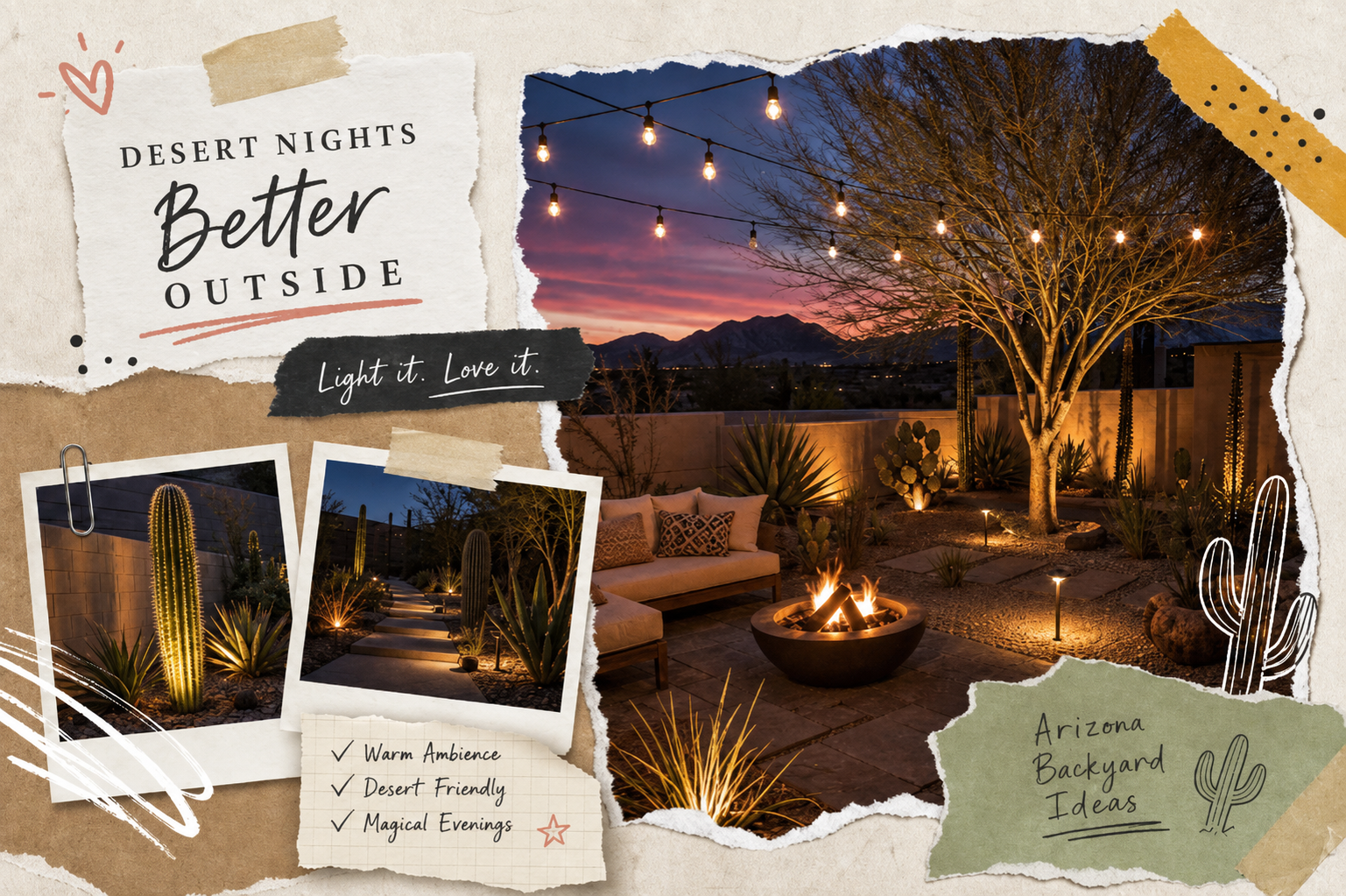
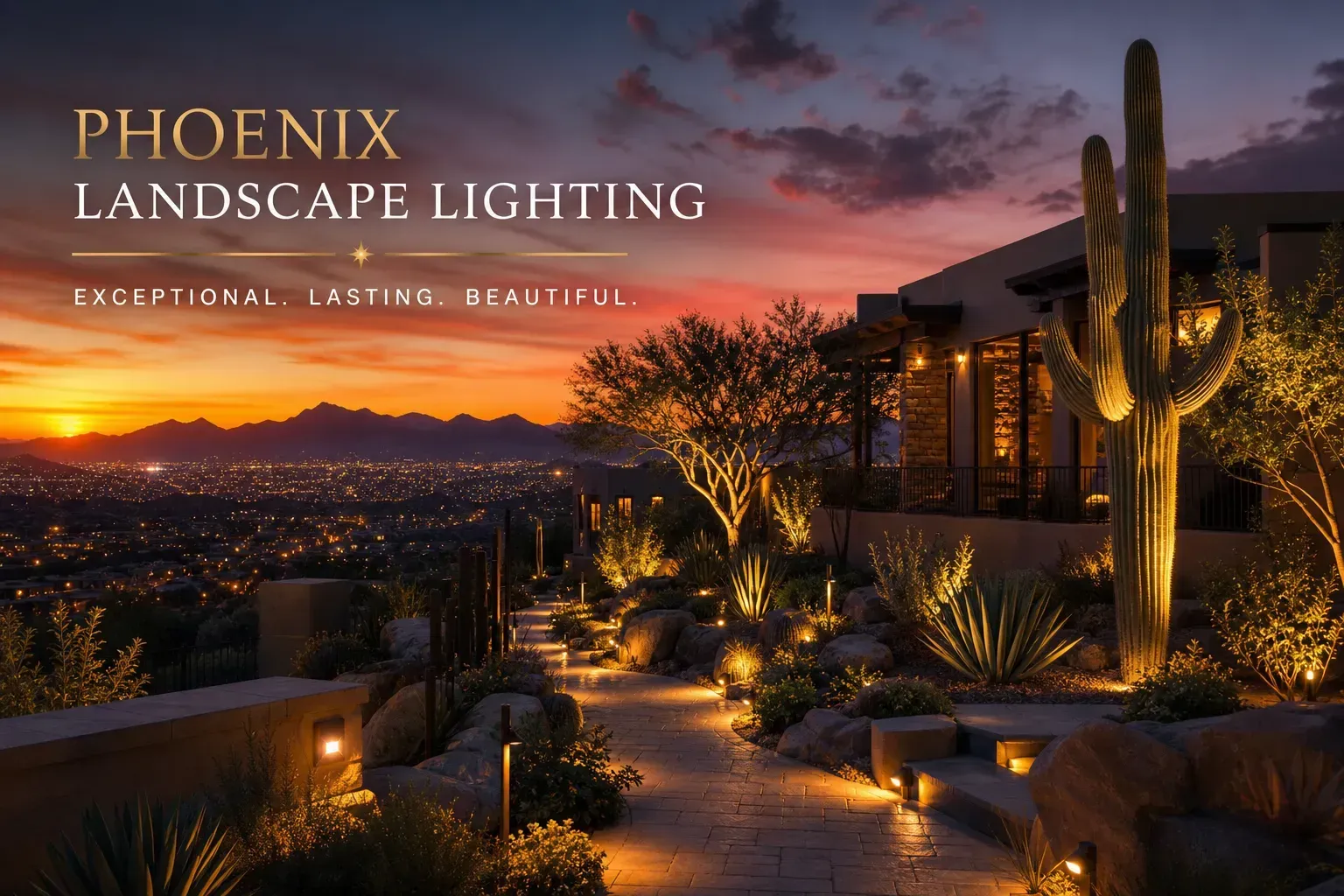
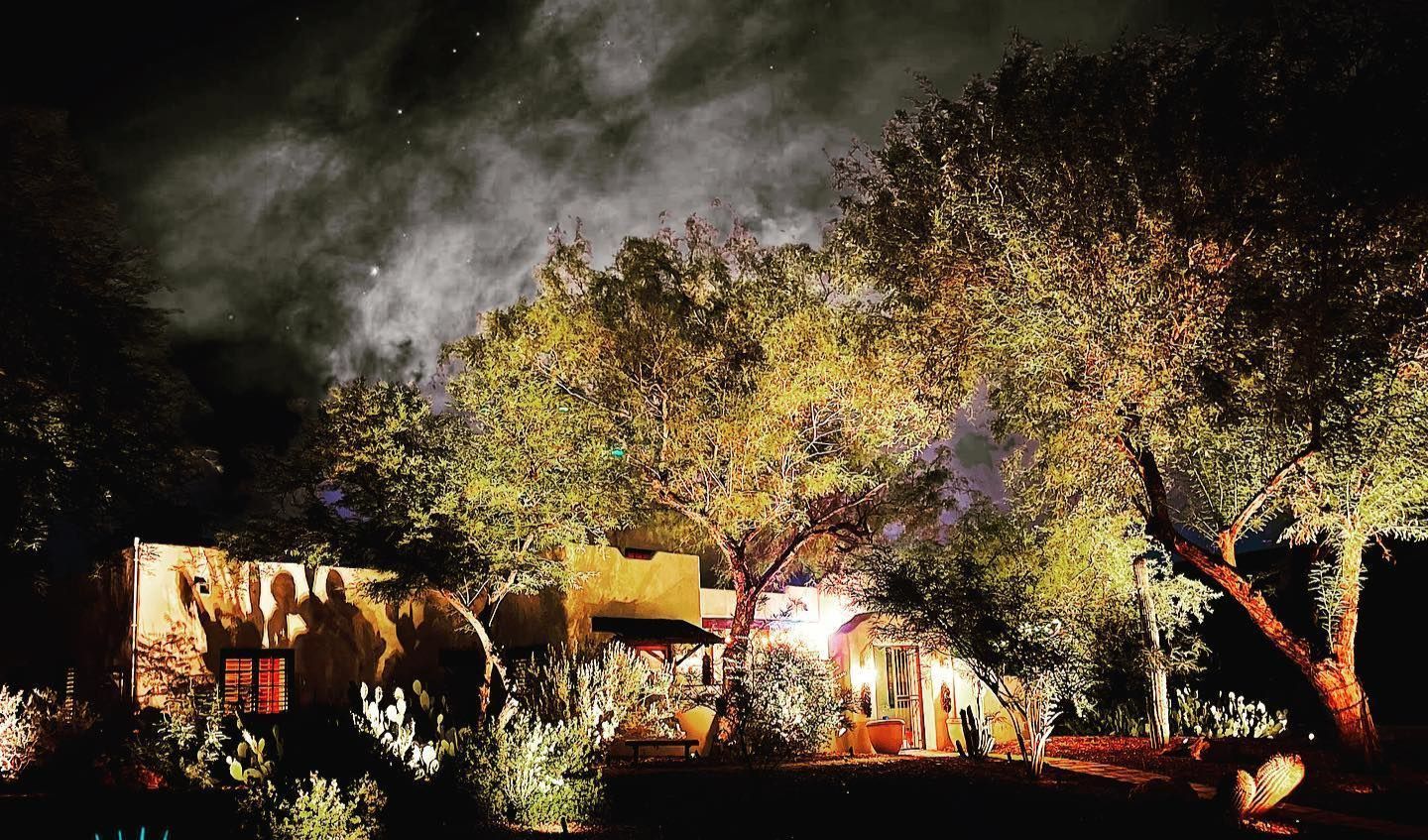
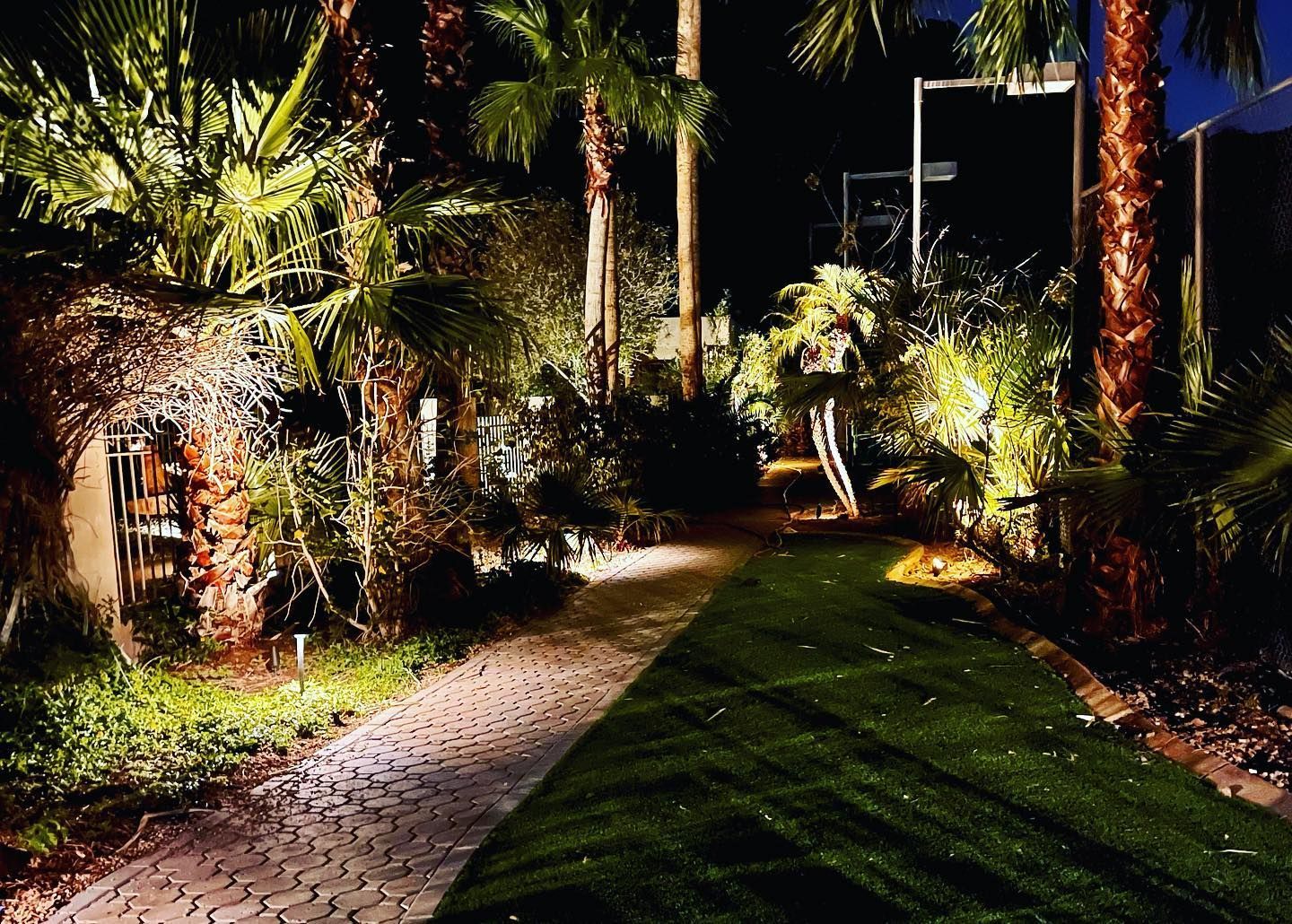
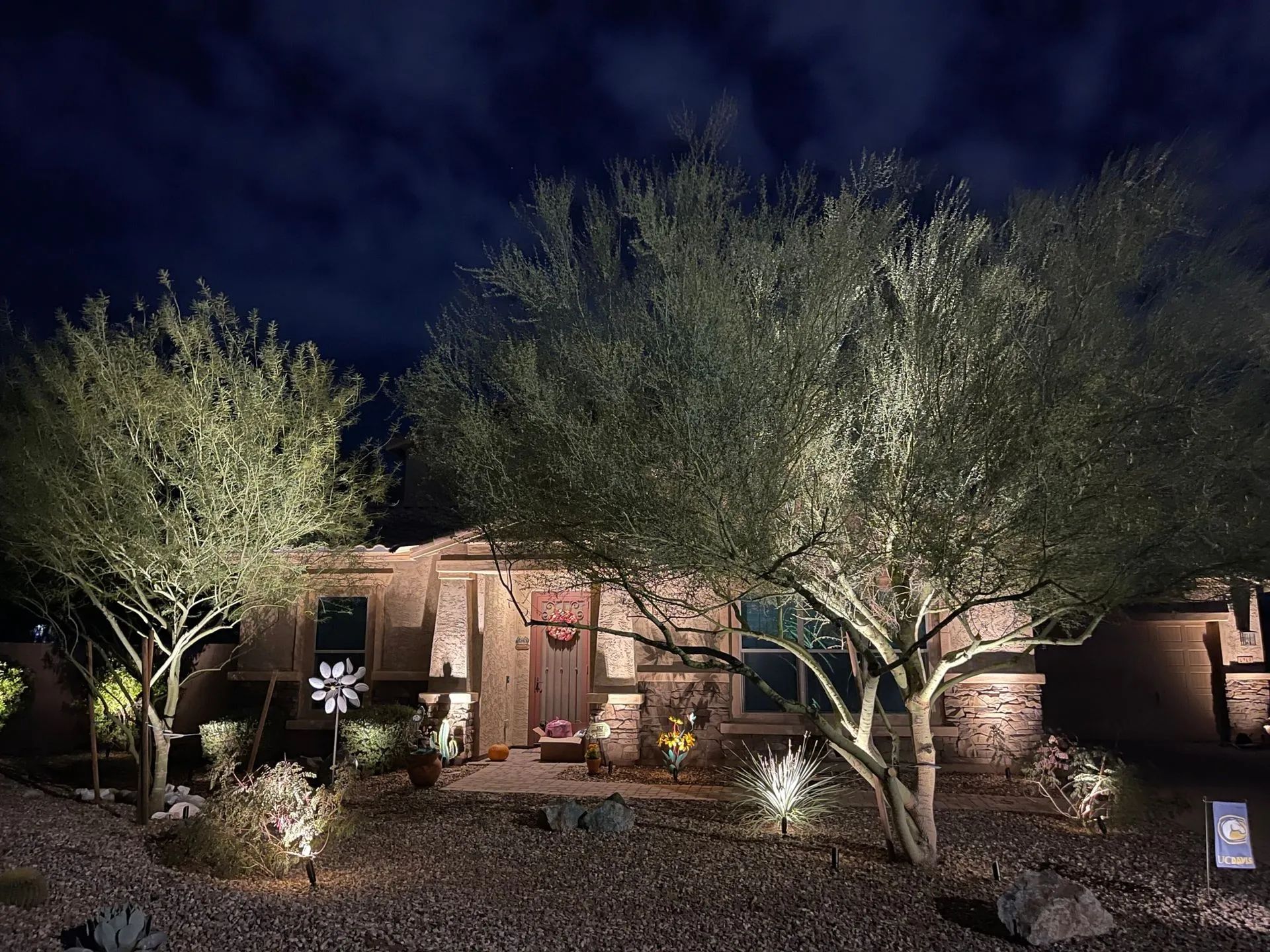
A cool March evening in Phoenix is made for lingering outside. Desert plants are blooming, the sky fades from deep orange to dark blue, and soft outdoor lighting picks up the shapes of cacti, palms, and stone. When gentle music fills the yard, the whole space feels complete, like the soundtrack matches the night.
Outdoor audio turns patios, pools, and courtyards into second living rooms. You can:
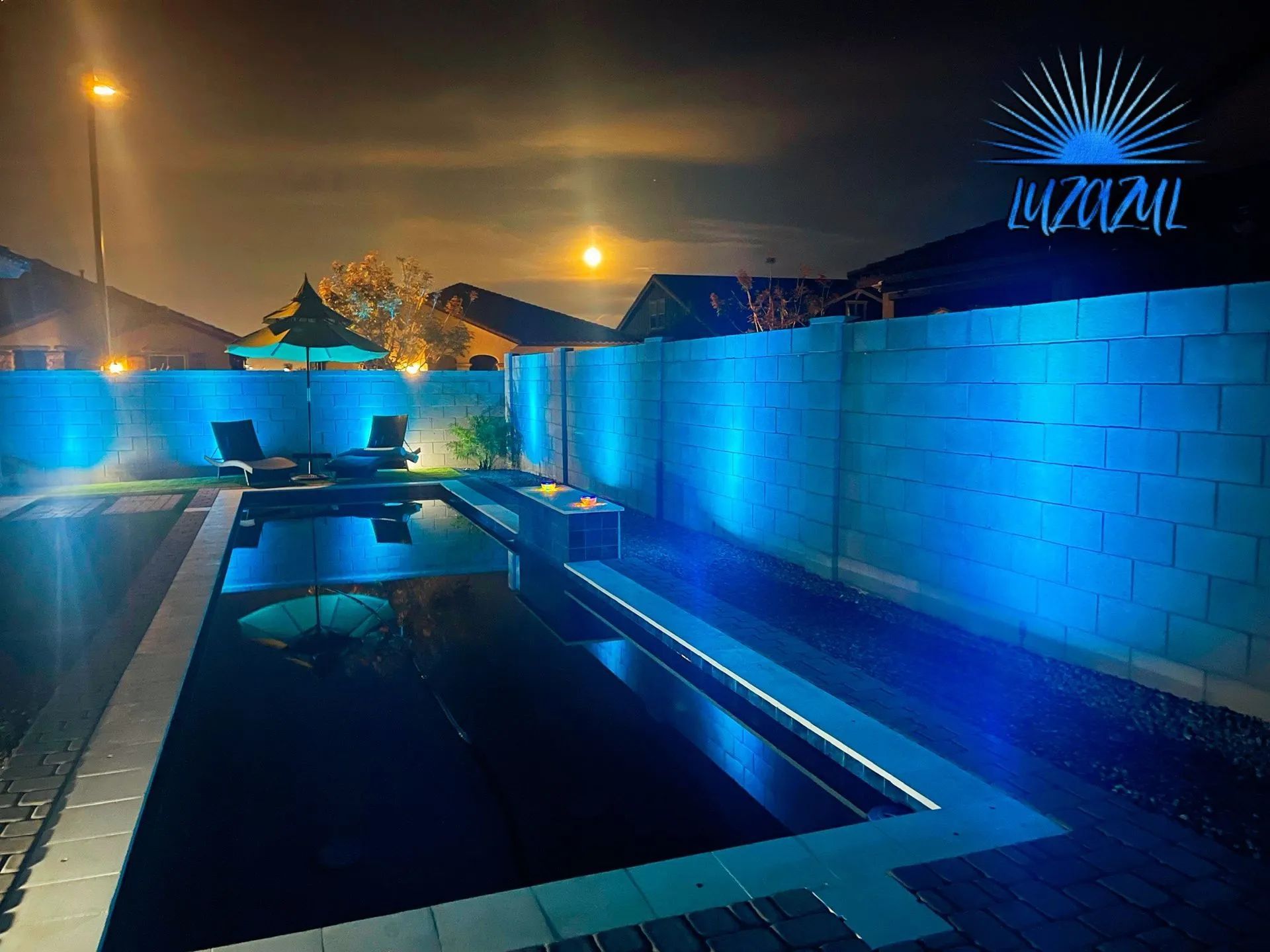
- Host friends with upbeat music by the pool
- Play chill background tracks for dinner on the patio
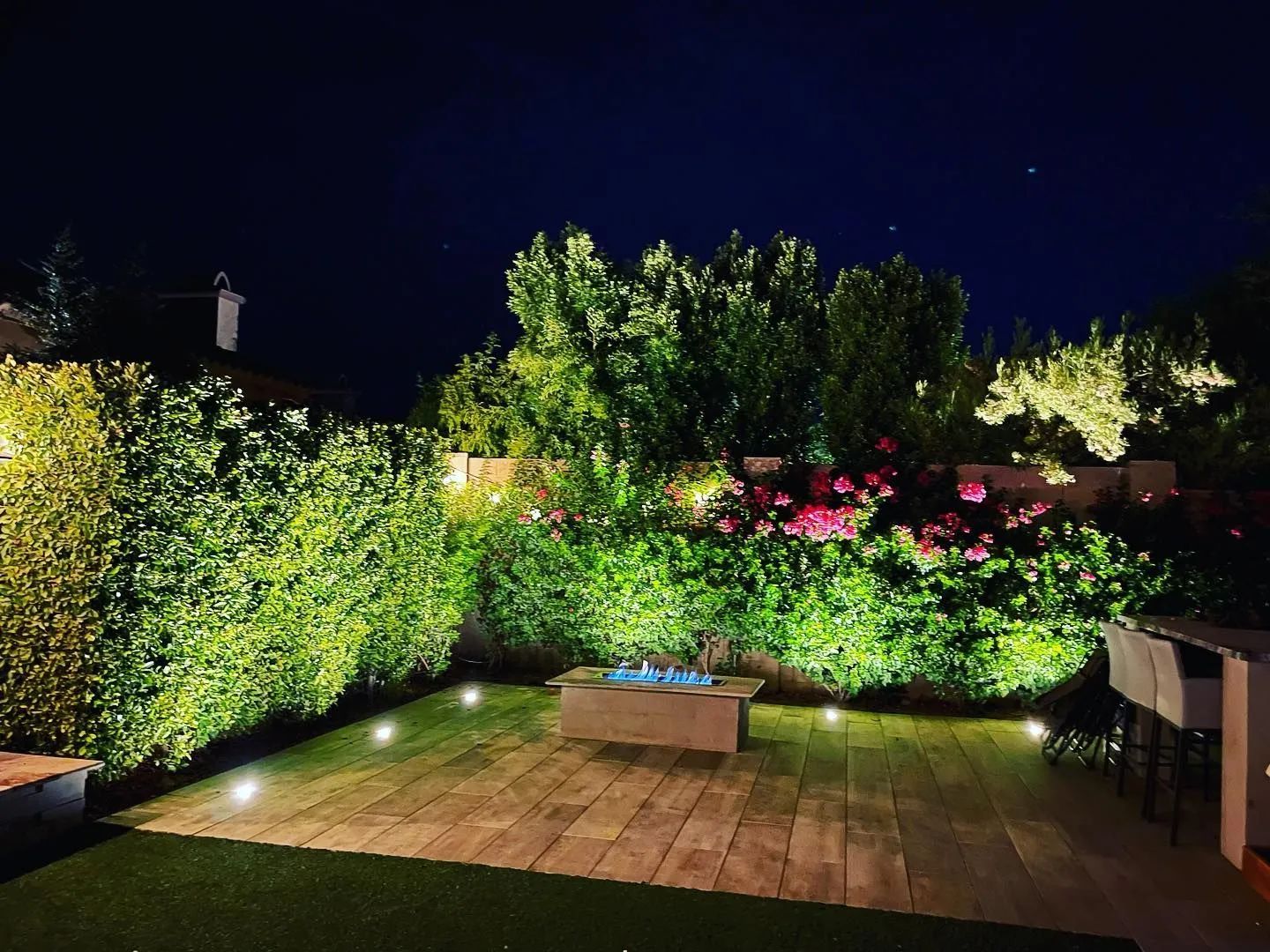
- Put on soft acoustic music by the fire pit for late-night talks
- Stream a kids’ playlist while they play in the yard
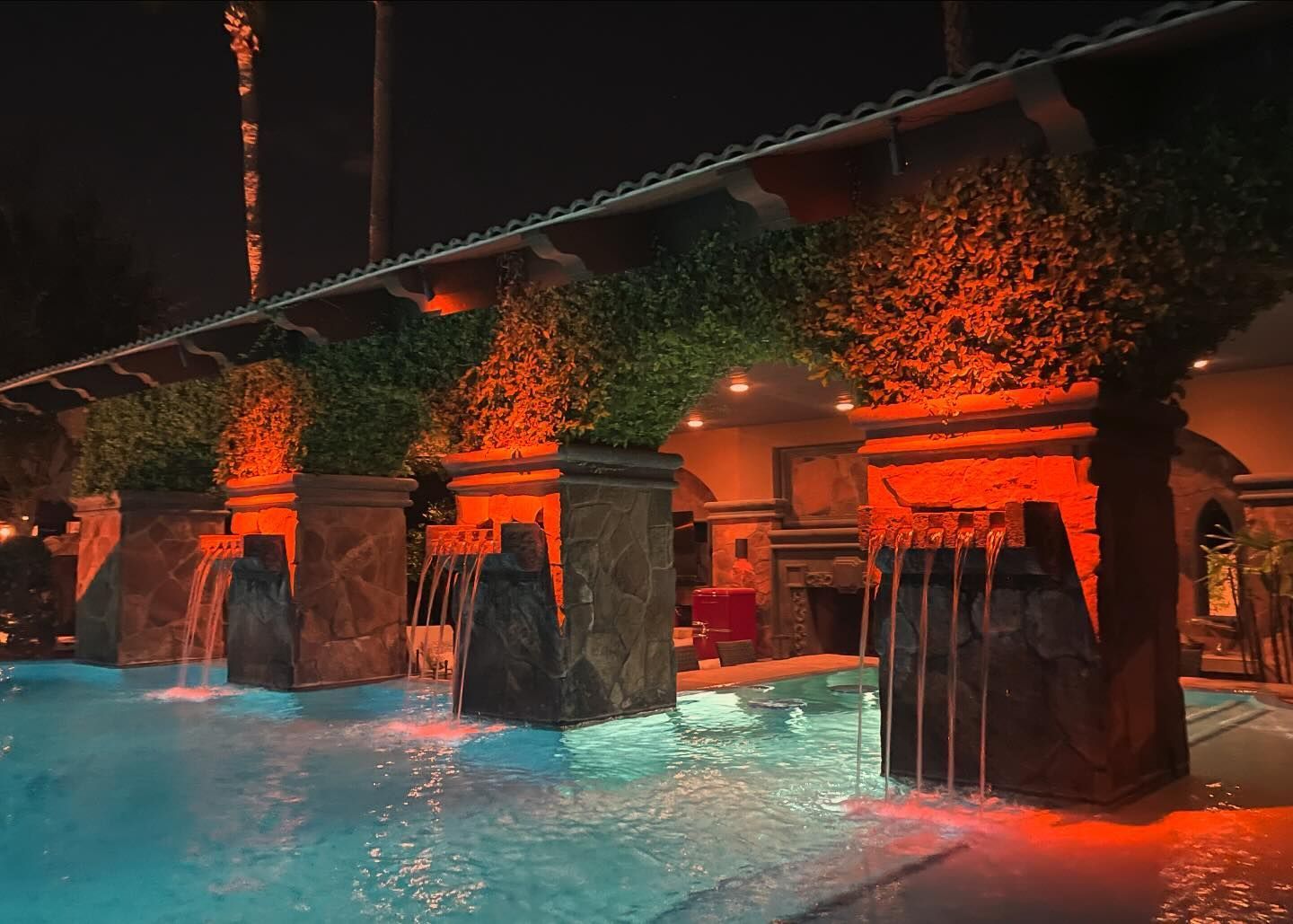
When lighting and sound work together, the space feels warm, safe, and welcoming. Path and landscape lights guide people from one area to another, while the music follows at just the right level. The goal is not to blast sound, but to wrap the whole yard in a gentle, even layer of audio.
Our focus is helping Phoenix homeowners design outdoor soundscapes that fit their lifestyle, their property, and the unique feel of desert nights.
Why Outdoor Audio in Phoenix Feels Different
Phoenix yards are not like small, enclosed backyards in older cities. Many homes here have:
- Wide, open spaces
- Stucco or block walls
- Stone, gravel, and desert plants instead of thick grass
All these surfaces change how sound travels. Hard walls and decks can bounce sound back, which may create echo if the system is not planned well. Open areas can let sound drift away, so you can get loud spots close to a speaker and quiet spots only a few steps away.
Spring evenings, especially around March, are a favorite time for outdoor entertaining before the hottest months. That makes this season a smart time to think about adding or upgrading outdoor audio. You want a system ready for:
- Family dinners outside
- Birthday parties and celebrations
- Casual weeknight hangouts
- Weekend pool time as the days get longer
It is also important to be a good neighbor. That means:
- Aiming speakers toward the house and seating areas, not toward property lines
- Setting realistic volume limits
- Using separate zones so music can be softer in areas closest to neighbors
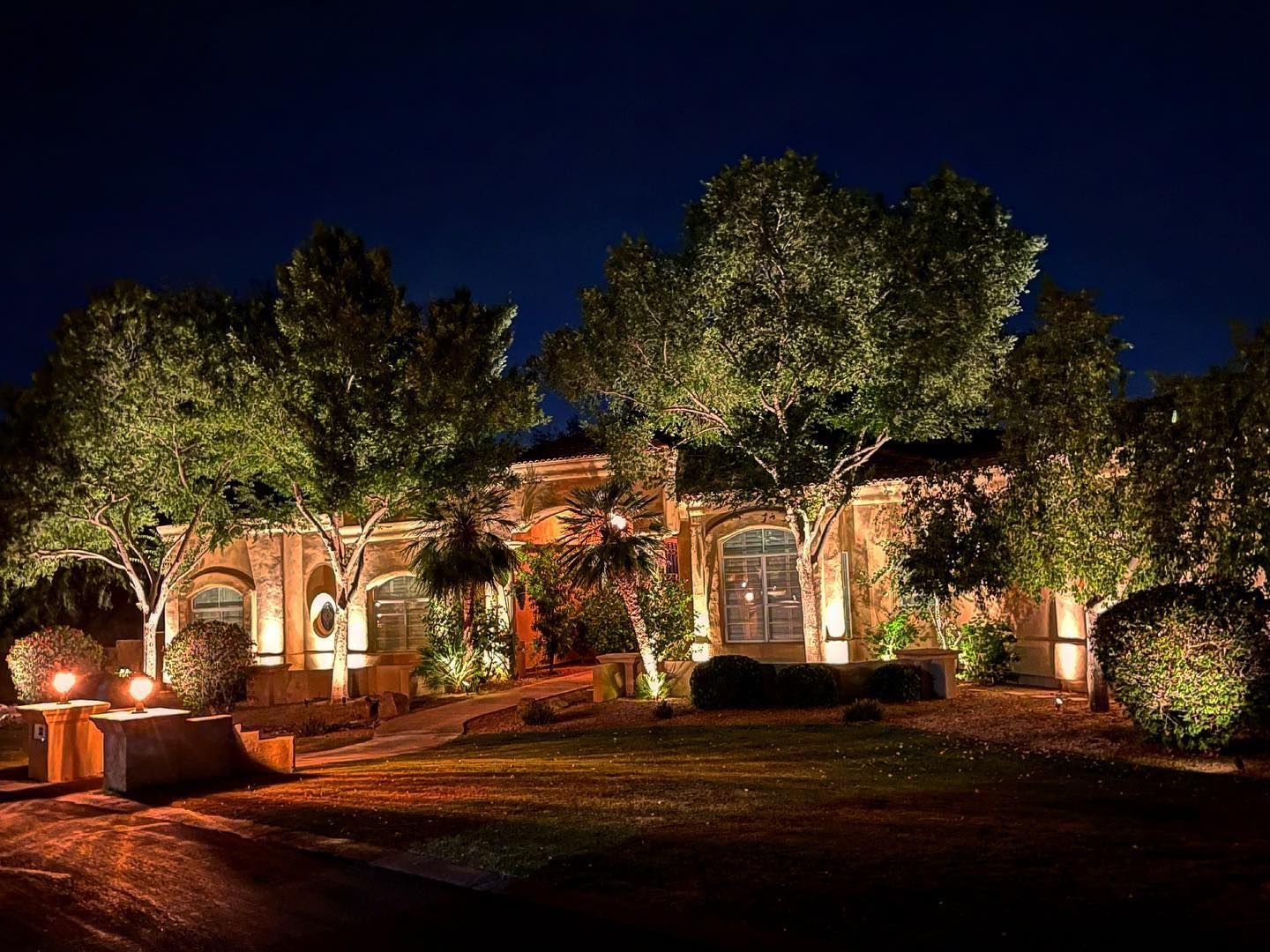
When sound is paired with thoughtful path and landscape lighting, your yard is easier and safer to move through at night. Guests can see where they are going, and they naturally follow lit paths that also have even, comfortable sound.
Designing Outdoor Sound Zones for Every Space
A great outdoor system usually starts with zones. A zone is a separate listening area that can have its own volume and sometimes its own source. This keeps your whole yard from feeling like one giant speaker.
Common zones in a Phoenix yard might include:
- Pool area
- Main patio or outdoor dining space
- Fire pit or lounge area
- Side yard or entry path
We look at how you really use your yard. Where do people sit and talk? Where do kids play? Where do guests enter? Then we design zones that follow those natural patterns so music feels even and intentional.
For example:
- Soft, calm music along pathways and side yards so people can move and talk easily
- Fuller, more immersive sound around the pool where people are active and spread out
- Conversation-friendly levels on the patio so you never have to shout over the music
Control is a big part of making zones work. Common control options include:
- App-based systems on a phone or tablet
- Simple wall-mounted volume knobs in key spots
- Integration with an existing home audio or smart home setup
The goal is simple: you should be able to walk into your yard, tap a button, and have the whole space come alive with the right sound in the right places.
Speaker Styles That Disappear Into the Desert Landscape
Outdoor speakers do not have to take over the look of your yard. There are many styles that can blend into a Phoenix desert setting while still sounding great.
Popular outdoor speaker types include:
- Landscape satellite speakers that sit low in plant beds
- Subwoofers that are partially buried, with only a small opening visible
- Rock speakers that mix into boulders or gravel areas
- Architectural speakers tucked under patio eaves or soffits
We choose styles and placement that work with desert plants, stone accents, and gravel. The idea is that guests feel the sound, but they do not always notice where it is coming from.
Phoenix weather is tough on gear. Strong sun, constant UV exposure, dust, and monsoon storms can be hard on anything left outside. This is why true outdoor-rated speakers and professional installation are so important. With the right equipment and wiring, your system is built to keep working through temperature swings and summer storms.
Lighting and audio also connect visually. Wires can be hidden in the same trenches or sleeves used for lighting. Speakers can be placed near bistro lighting poles or along patios where core-drill lighting is installed. When it is done well, everything looks clean and intentional, with no messy cables or random gear.
Tech Essentials for Clear Sound on Cool Spring Nights
A high-performance outdoor audio system is more than just speakers. The main pieces usually include:
- Amplifier or outdoor-rated audio receiver
- Landscape speakers and subwoofers
- Streaming sources like music services or local media
- Control interfaces such as apps, remotes, or wall controls
Good design and tuning make the difference between harsh, uneven sound and smooth, rich audio that feels easy to listen to for hours. That includes:
- Balancing bass so it feels full but not boomy
- Aiming speakers to reduce echo from hard walls and decks
- Making sure music still sounds complete at low volumes for late nights
Connectivity should feel simple, not stressful. Most homeowners prefer:
- Reliable Wi-Fi or hardwired network connections for streaming
- Compatibility with common streaming apps and devices
- Easy options for guests to add a playlist without changing your main settings
Durability is always on our minds with Phoenix outdoor systems. That means using equipment rated for heat and sun, proper burial-rated wire, weather-tight connections, and surge protection to help protect gear during summer storms. When the system is built correctly from the start, you spend more time enjoying it and less time worrying about it.
Light, Sound, and a Plan for Your Perfect Phoenix Evening
Think about your ideal spring evening at home. Landscape lighting guides guests from the driveway through the yard. Architectural lighting highlights the best parts of your home and outdoor spaces. Music follows people as they move, softer in some zones, livelier in others, always at a comfortable level.
Designing outdoor audio in Phoenix is not about being a tech expert. It is about knowing how you like to live outside, then building a system that supports that. With thoughtful zoning, the right speakers for the desert, and a solid plan that ties audio and lighting together, your backyard can truly feel like a second living room under the stars.
Get Started With Your Project Today
Bring your backyard to life with sound that is clear, balanced, and built for the Arizona climate through our customized
outdoor audio in Phoenix solutions. At Luzazul Lighting, we take the time to understand how you use your outdoor spaces so we can design a sound system that fits your lifestyle and layout. If you are ready to explore options or schedule a consultation,
contact us and we will help you plan the next steps.