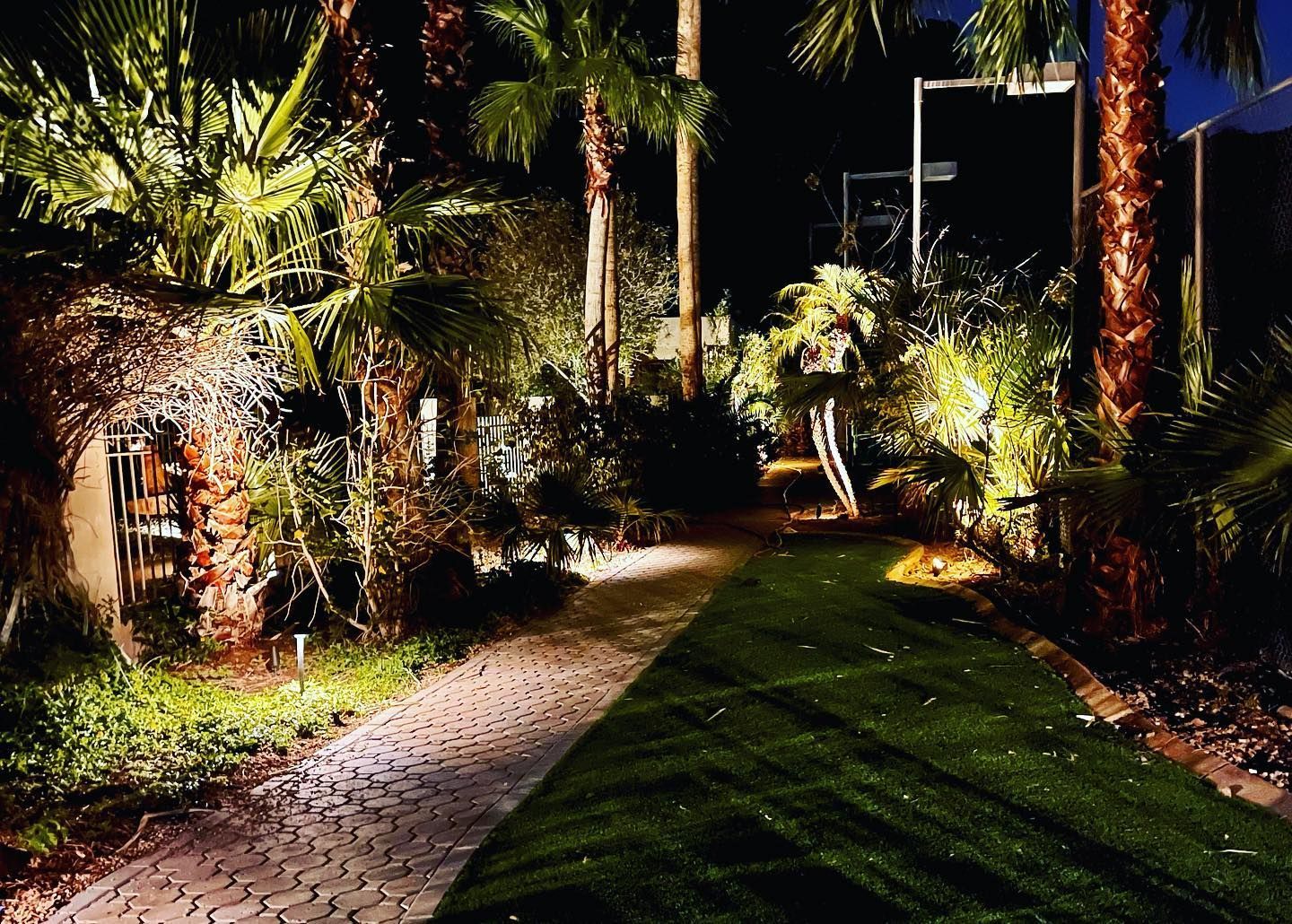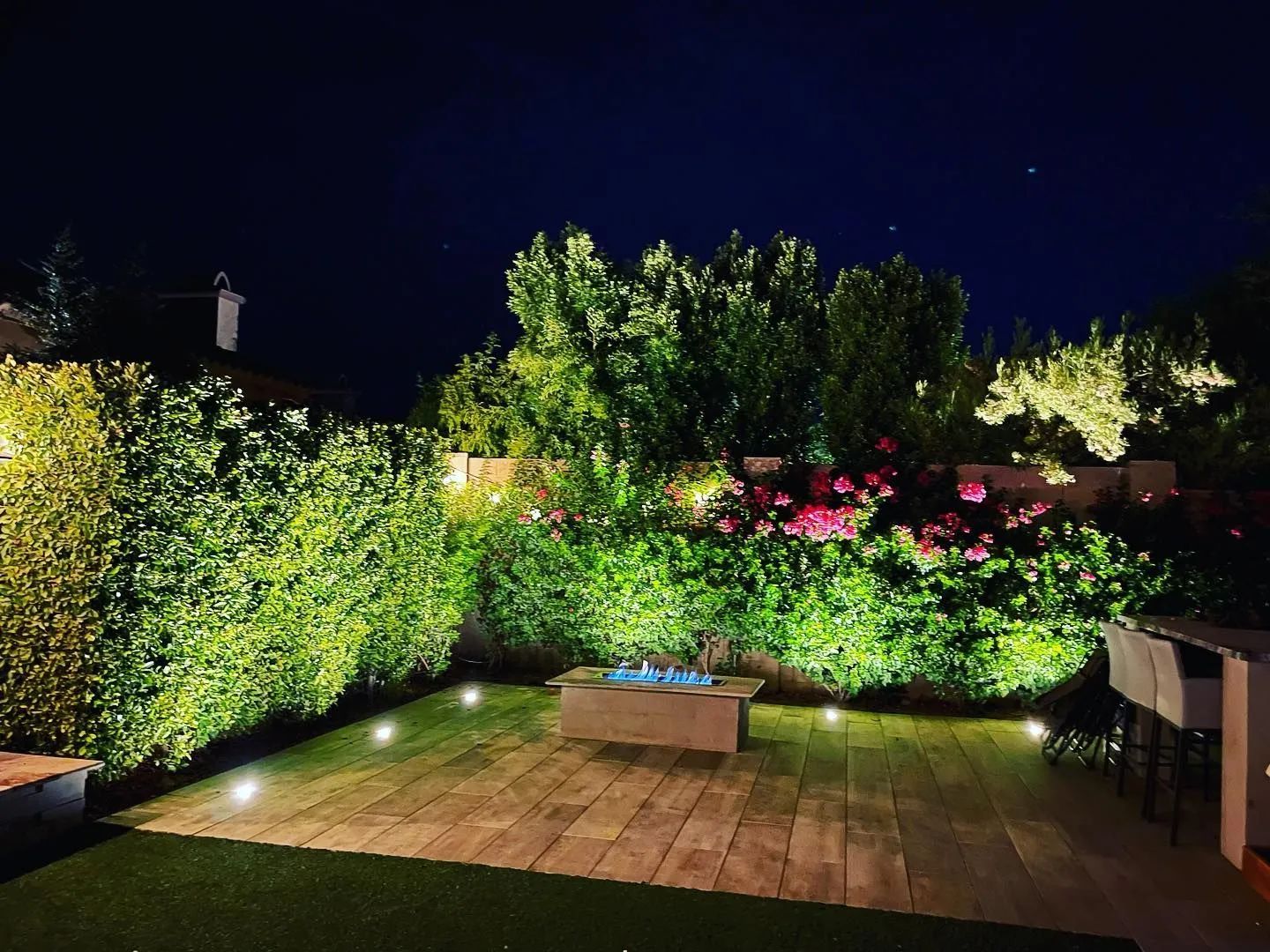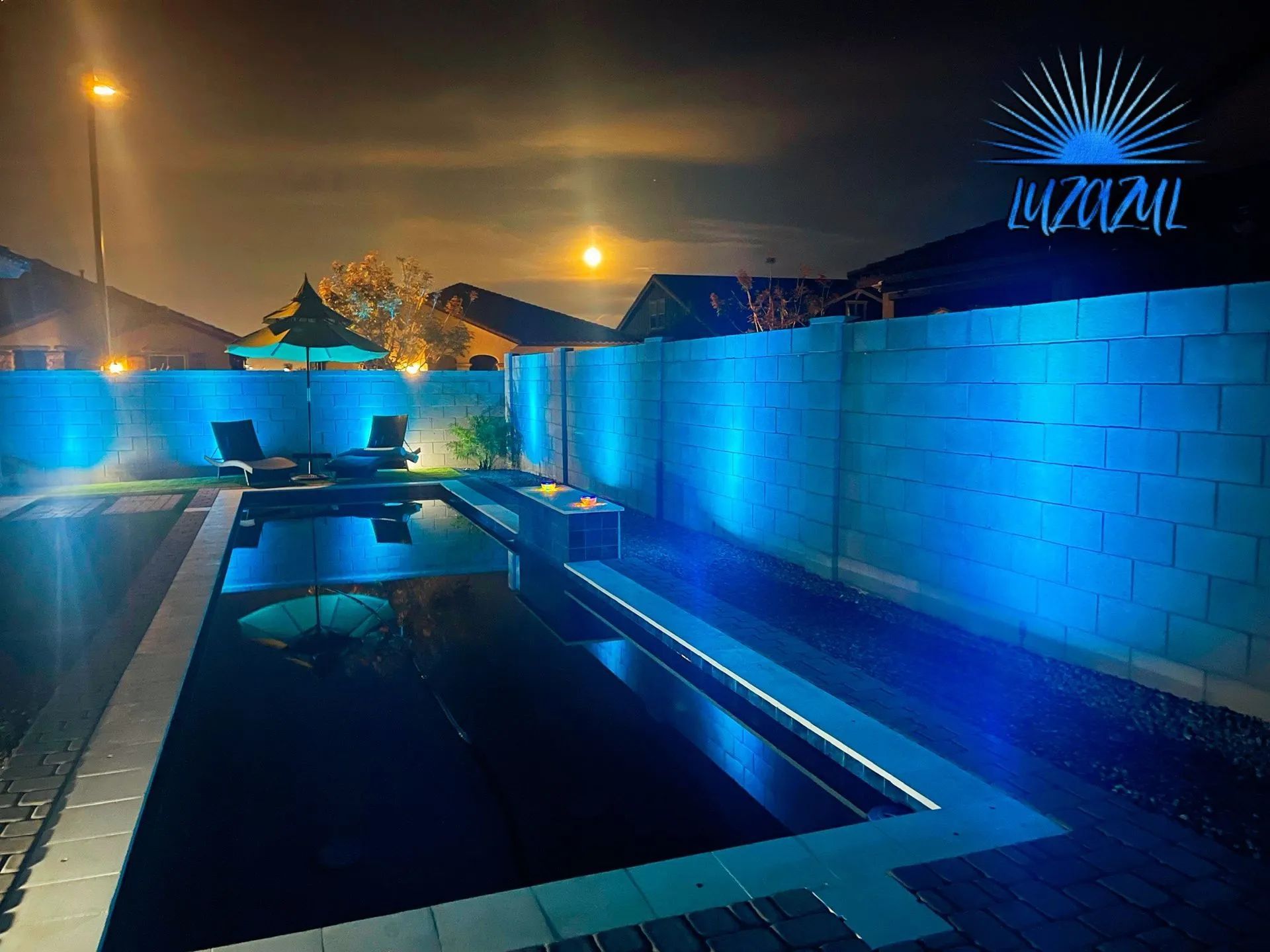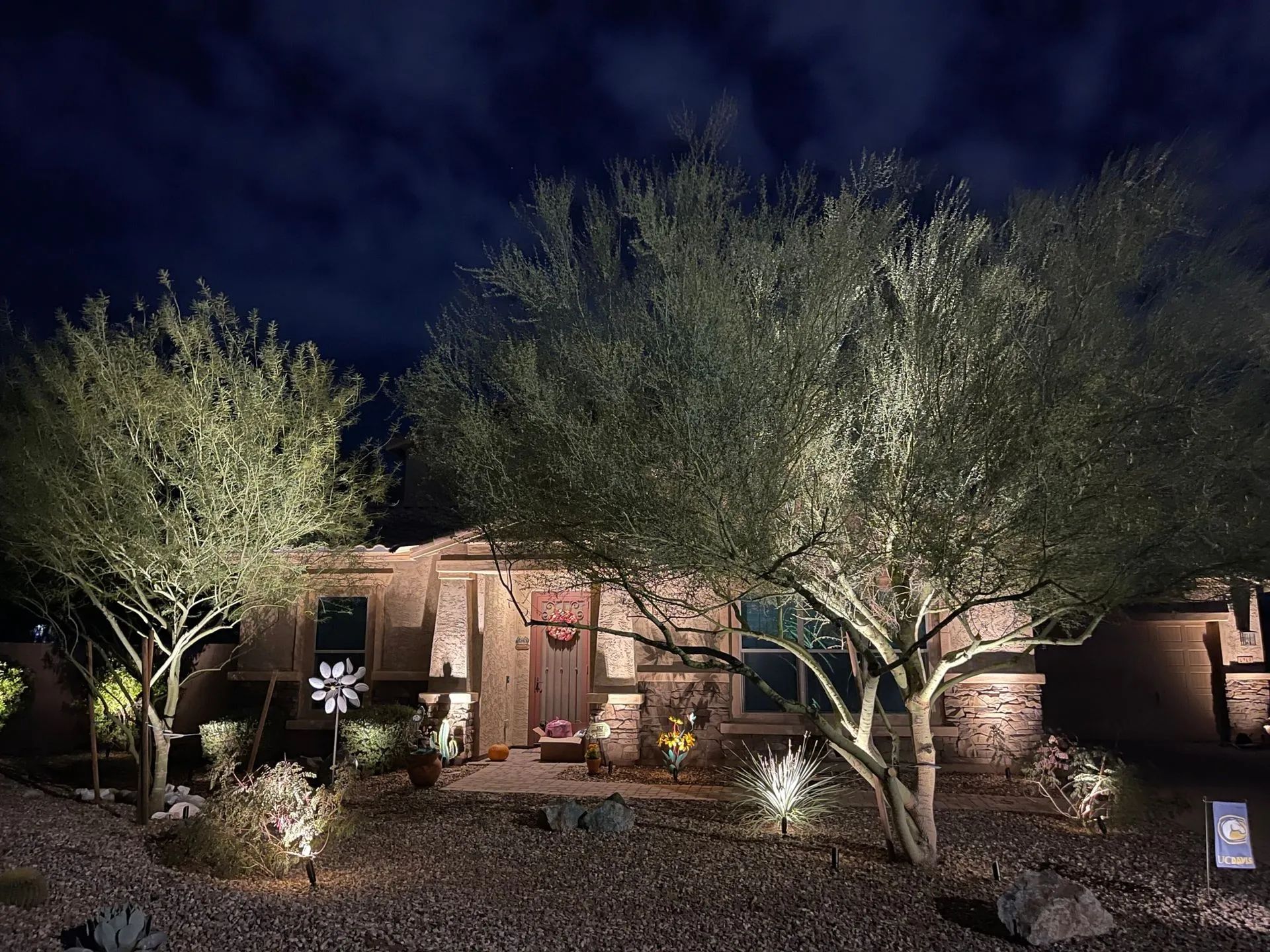
Phoenix Heat-Proof Outdoor Lighting: Materials and Color Temperature for 115°F
Beat the Phoenix Heat with Smarter Outdoor Lighting
Outdoor lighting in Phoenix has a tough job. When spring hits, we start seeing days that climb into the 110 to 115°F range, and the sun does not take a break. Cheap fixtures that look fine in the box start fading, cracking, or failing fast once they sit in that heat day after day.
The good news is, you do not have to accept burned-out lights and melted plastic. With the right fixture materials, lens choices, and color temperatures, you can have lighting that survives the heat and still looks clean and welcoming. At Luzazul Outdoor Lighting, we design systems around the Valley’s climate so they stay strong when the temperature spikes.
In this guide, we will walk through what the Phoenix sun does to average fixtures and how to choose better options. You will see what to look for in metals, lenses, and lighting color so your patios, walkways, and landscapes stay safe and inviting all summer long.
Why Phoenix Heat Destroys Average Outdoor Fixtures
Phoenix is tough on anything that lives outside, and lighting is at the top of that list. It is not just high temperature; it is heat, UV, and dust all working together.
Here is what usually happens to basic fixtures:
- UV breaks down plastics and thin paint
- Heat causes parts to warp and loosen
- Dust and grit scratch lenses and seals
- Monsoon rain finds every weak point in the system
Many homeowners grab plastic or thin aluminum fixtures from a big-box store, then wonder why they look tired after one season. The metal can bend, coatings peel, and plastic turns dull and brittle. Low-grade transformers and connectors often fail early too, especially when they are working in direct sun or inside a hot enclosure.
Thermal expansion is another quiet problem. When fixtures heat up during the day and cool down at night, lower-quality materials move in different ways. Poor seals and finishes start to crack. Tiny gaps open up, and when monsoon storms roll through, water and dust sneak inside. Over time, that leads to:
- Corroded contacts
- Shortened LED life
- Flickering or dead fixtures
This is why choosing stronger materials from the start makes such a big difference in Phoenix.
Best Fixture Materials for 115°F and Full Sun Survival
Not all metals handle desert heat the same way. The core body of the fixture matters as much as the bulb inside.
Here is how common materials stack up:
- Solid brass: handles heat well, resists corrosion, ages with a protective patina
- Copper: similar to brass, great for long-term outdoor use, also forms a protective patina
- Marine-grade stainless: strong and clean looking, good for harsher environments
- Powder-coated aluminum: decent when thick and high quality, but still lighter than brass or copper
Solid brass and copper shine in our climate. They stay stable in high temperatures, do not rust, and their color shift over time creates a natural shield. That patina is not damage, it is a protective layer that actually helps the fixture last longer.
By contrast, thin painted aluminum and plastic fixtures usually struggle. They can:
- Chalk and fade in strong sun
- Get brittle and crack
- Lose color and curb appeal quickly
The outside is only half the story. The internal parts need to be ready for heat too. That means:
- High-temperature-rated sockets
- Quality gaskets that stay flexible
- Wiring that handles hot conditions
Even the best materials can fail if the installation is poor. Professional layout, correct wire sizing, and smart transformer placement help keep everything running smoothly in extreme heat.
Lens Choices That Stay Clear in Dust, Sun, and Monsoon Season
Lenses take a beating in Phoenix. They sit in full sun, catch dust, and then get hit with wind and rain. Over time, that can leave them cloudy, scratched, or yellow.
Most outdoor fixtures use one of three lens materials:
- Tempered glass
- Acrylic
- Polycarbonate
Tempered glass is usually the best choice in high-heat landscapes. It handles temperature swings well, resists scratches better than plastic, and stays clear without yellowing. That means your light output stays strong and consistent longer.
Acrylic and polycarbonate are lighter and more impact-resistant, but in our sun they can:
- Yellow over time
- Show fine scratches from blowing dust
- Look hazy, which reduces brightness
Lens design also matters in Phoenix. Look for fixtures with:
- Good gaskets to keep dust and bugs out
- Smooth surfaces that are easy to wipe clean
- Optics that control glare so the light is comfortable on bright evenings
Regular light maintenance goes a long way. Simple steps like:
- A spring cleaning before the hottest months
- Quick wipe-downs after big dust storms
- Periodic checks for cracks or cloudiness
can help your lenses stay clear and your system looking sharp.
Desert-Ready Color Temperatures for Comfort and Curb Appeal
Color temperature describes how warm or cool the light looks, measured in Kelvin. Lower numbers look more like candlelight, higher numbers look more like daylight.
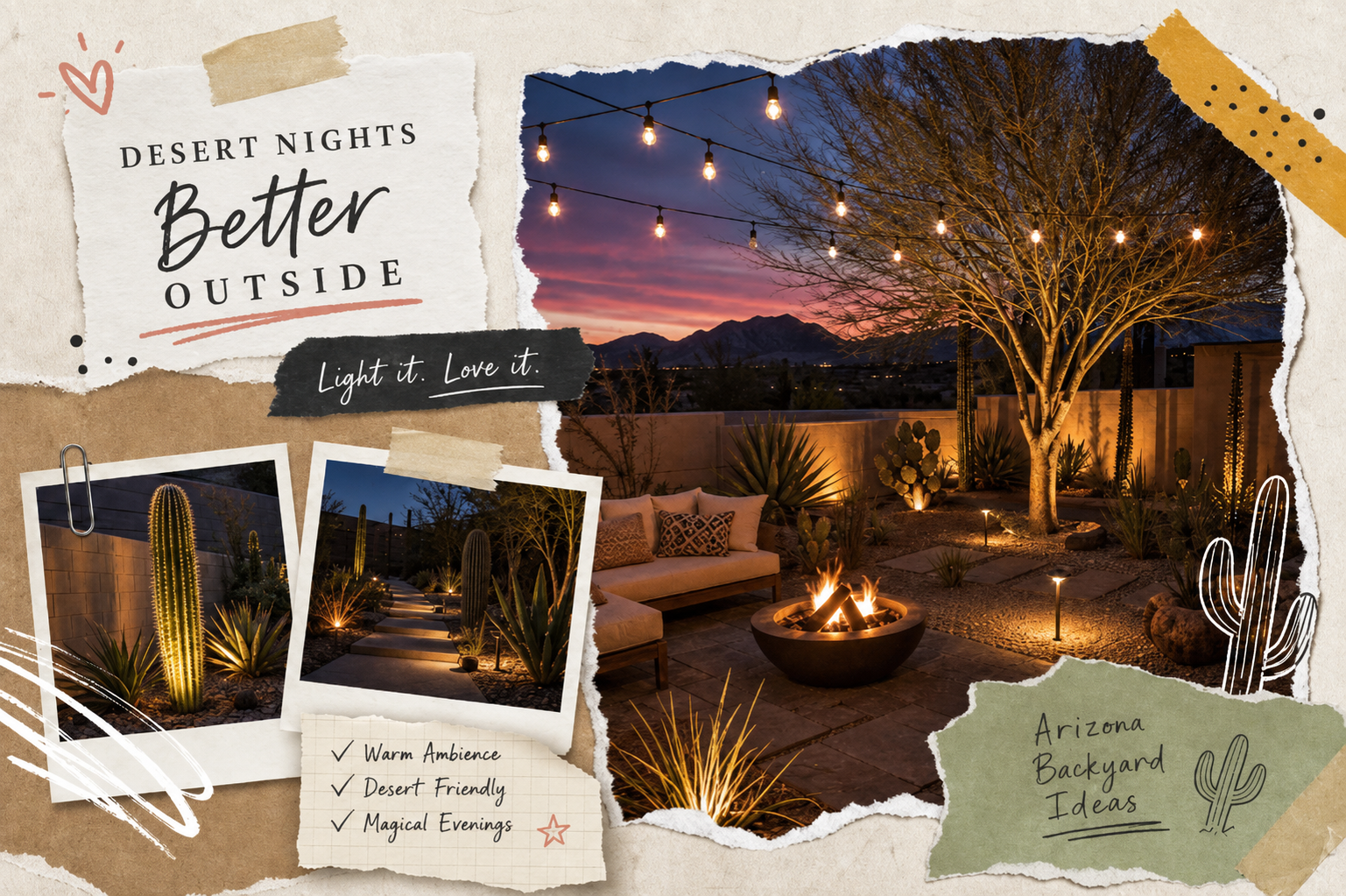
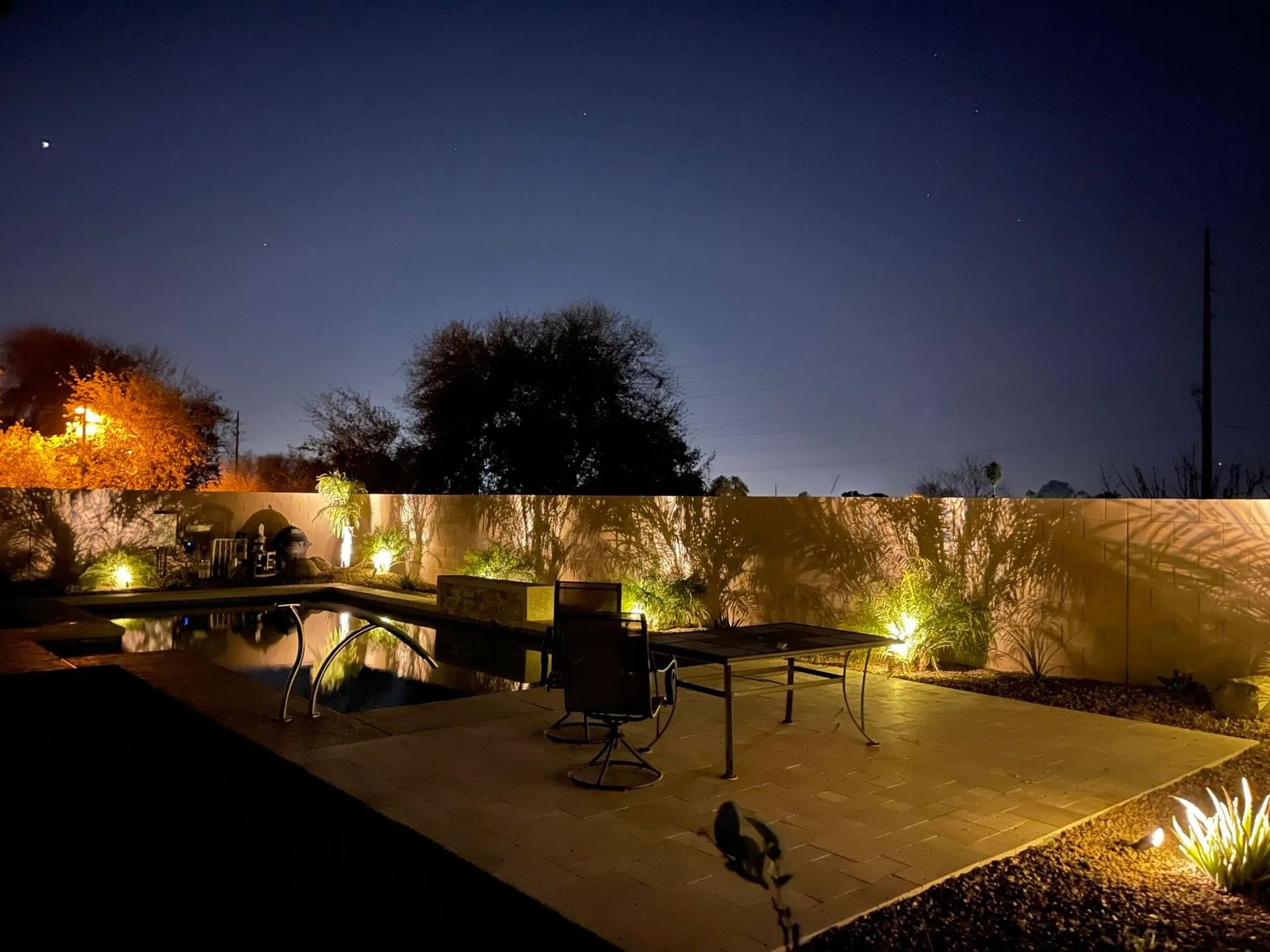
In Phoenix, where surfaces are already bright and reflective, the wrong color temperature can feel harsh. Warm white light usually feels better and looks more inviting.
For most outdoor spaces here, we like:
- 2700K to 3000K for patios and entertainment areas
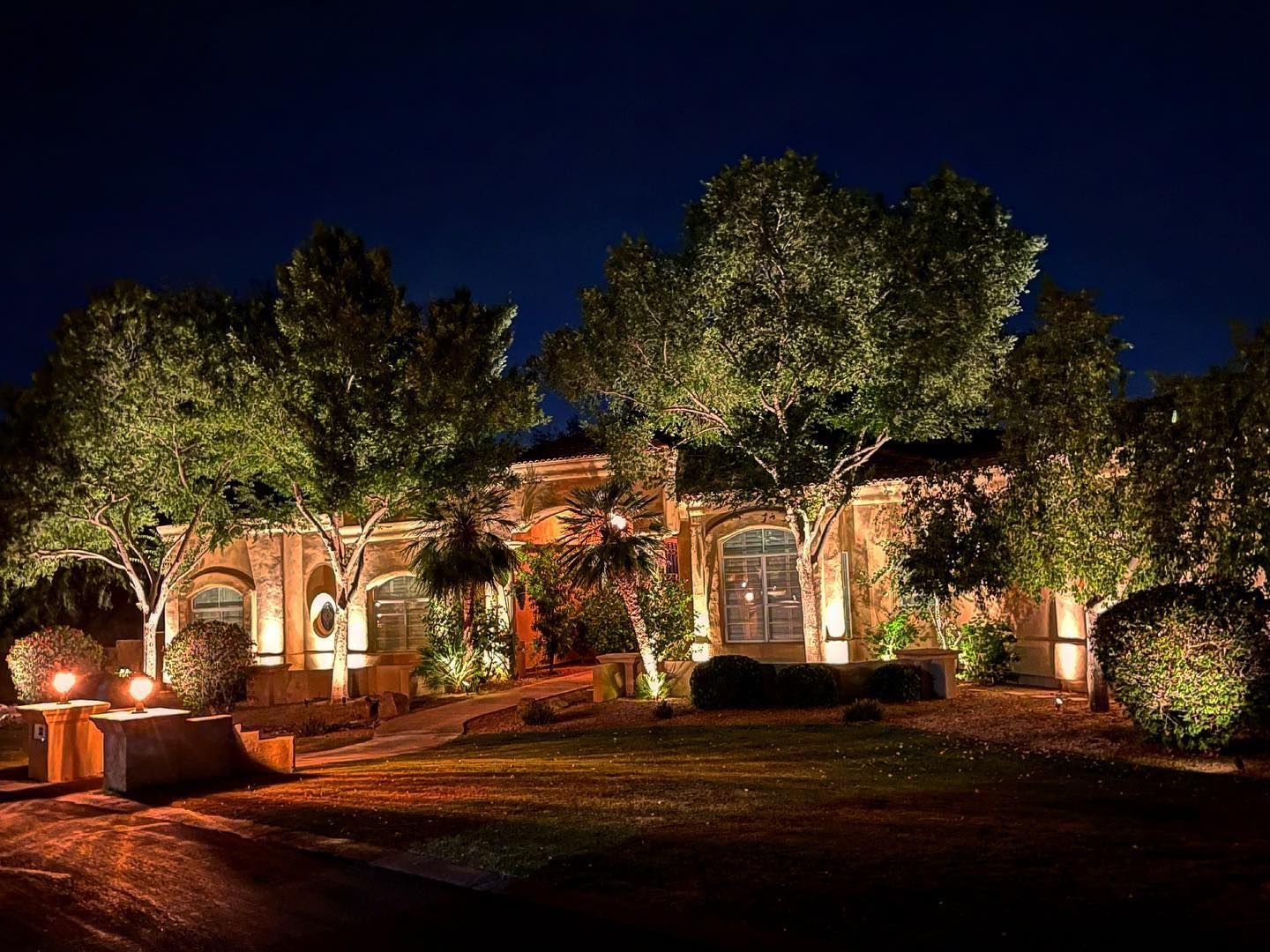
- 3000K to 3500K for paths, driveways, and architectural accents
Warm 2700K to 3000K light feels soft and relaxing, great for gathering areas where you want to unwind. Slightly cooler 3000K to 3500K can make textures and details on your home stand out without looking too blue.
Once you get to 4000K and above, light can start to feel sharp and clinical on sun-bleached walls and concrete. It can increase glare instead of comfort, especially when your eyes are already tired from bright daytime sun.
There are also advanced LED systems that let you tune color. With careful planning, you can:
- Adjust warmth for everyday use
- Shift color for holidays or special events
- Balance soft ambiance with brighter security lighting where you need it
The key is choosing a range that works with the natural look of your home and yard, not against it.
Designing a Heat-Proof Outdoor Lighting Plan for Spring and Summer
Spring is when people in Phoenix start using their patios, pools, and outdoor seating more often. It is also the best time to check if your lighting is ready for the long, hot season ahead.
A professional lighting design for desert conditions usually starts with an on-site visit. We look at:
- How much sun each area gets
- Where fixtures will sit in relation to hardscape and plants
- The best materials for each location
From there, we plan beam spreads, lens types, and color temperatures that fit your space. Paths might need softer, wider beams. Architectural features might use tighter, more dramatic accents. All of it uses LED systems rated for higher temperatures so they:
- Use less energy during long summer nights
- Require less frequent service
- Keep a consistent look even during extreme heat
Outdoor audio and bistro lighting can also be chosen with heat resistance in mind. When everything is designed as a single system, your yard not only looks good but also holds up to Phoenix weather for the long term.
Transform Your Evenings With Expert Outdoor Lighting Design
Let us help you turn your yard into a welcoming, beautifully lit extension of your home with professional
outdoor lighting in Phoenix. At Luzazul Lighting, we design custom solutions that highlight your landscaping, improve safety, and create the perfect atmosphere for relaxing or entertaining. If you are ready to explore options for your property, reach out and
contact us so we can discuss a tailored plan for your space.