Phoenix Wired Landscape Lighting: Monsoon Damage Prevention Checklist
Protect Your Landscape Lighting Before Monsoon Season
Monsoon season in Phoenix hits fast and hits hard. From late summer afternoons into the evening, we see big wind, dust storms, heavy rain, lightning, and quick flash flooding. If you have wired landscape lighting around your yard, all of that can put your system to the test.
Outdoor lighting in Phoenix deals with a lot even before the storms start. We go from super dry, intense heat to sudden downpours. Clay-heavy soils often hold water instead of draining, and months of strong sun can weaken cables, seals, and fixtures. Getting ahead of those stresses with a preseason checklist helps you avoid outages, shorted wires, and unsafe situations when the weather turns wild.
When we prepare systems before the first big storm cells roll through, we see fewer failures, longer fixture life, and safer walkways and patios after dark. Think of this as your spring tune-up for lighting and audio wiring in the yard. With a careful check now, you are less likely to be out in a storm trying to deal with a trip hazard or a dead transformer in the dark.
Weatherproof Every Connection and Fixture
Monsoon rain likes to find any weak point it can. So the first step is making sure every fixture and connection is sealed and ready.
Start by inspecting the fixtures themselves:
- Look for cracked lenses, chipped glass or plastic, and loose or missing screws
- Check rubber gaskets for brittleness, gaps, or flattening from heat
- Watch for faded, chalky plastic or metal that shows long sun exposure
If you see fogging, water spots, or condensation inside a lens, moisture is already getting in. That fixture needs attention right away so it does not short out during the next storm.
Next, we focus on wire connections. Standard indoor-style wire nuts are not enough for Phoenix yards during monsoon season. Outdoor lighting in Phoenix does better with fully waterproof parts. That usually means:
- Opening accessible junctions and transformer connections to inspect splices
- Swapping old connectors for gel-filled, direct-burial, or heat-shrink types rated for wet locations
- Making sure low-voltage splices are buried to a proper depth and not exposed in washed-out areas
It is also important to confirm polarity at fixtures and secure strain relief where cables enter housings. Strong gusts can tug on wiring, and shifting soil can pull on weak connections.
For long-term durability, we like to use monsoon-ready materials and finishes. Marine-grade or powder-coated fixtures and stainless steel fasteners hold up better to repeated wet and dry cycles and desert dust. On older systems, a light corrosion inhibitor on exposed metal can slow down rust and pitting. If you are planning new outdoor lighting in Phoenix, starting with gear designed for high heat and high moisture helps a lot when monsoon clouds roll in.
Manage Water Flow with Smart Drainage Design
Water does not just fall from the sky during a monsoon; it moves across your property in powerful streams. Good drainage planning keeps that water away from your electrical gear.
A simple way to start is with a walk-through after irrigation or after a light rain:
- Low spots where water pools around fixtures or junction boxes
- Fixtures sitting in depressions, at downspouts, or at the bottom of slopes
- Splash zones at the end of driveways or patios where runoff hits hard
When we find those trouble spots, we might raise or relocate fixtures, especially near downspouts or where monsoon runoff gathers. Small grading changes with soil or decomposed granite can help water shed away from critical components.
Underground cables also need protection from long periods of saturation. Cables should sit in trenches deep enough for stability, and in some cases, set with gravel that allows faster drainage. Junction boxes belong on gravel beds or in boxes with proper gaskets and weep holes so water does not stay trapped around the wires. We also avoid routing cables through areas that regularly flood, such as the low side of turf or dense planter beds that hold moisture.
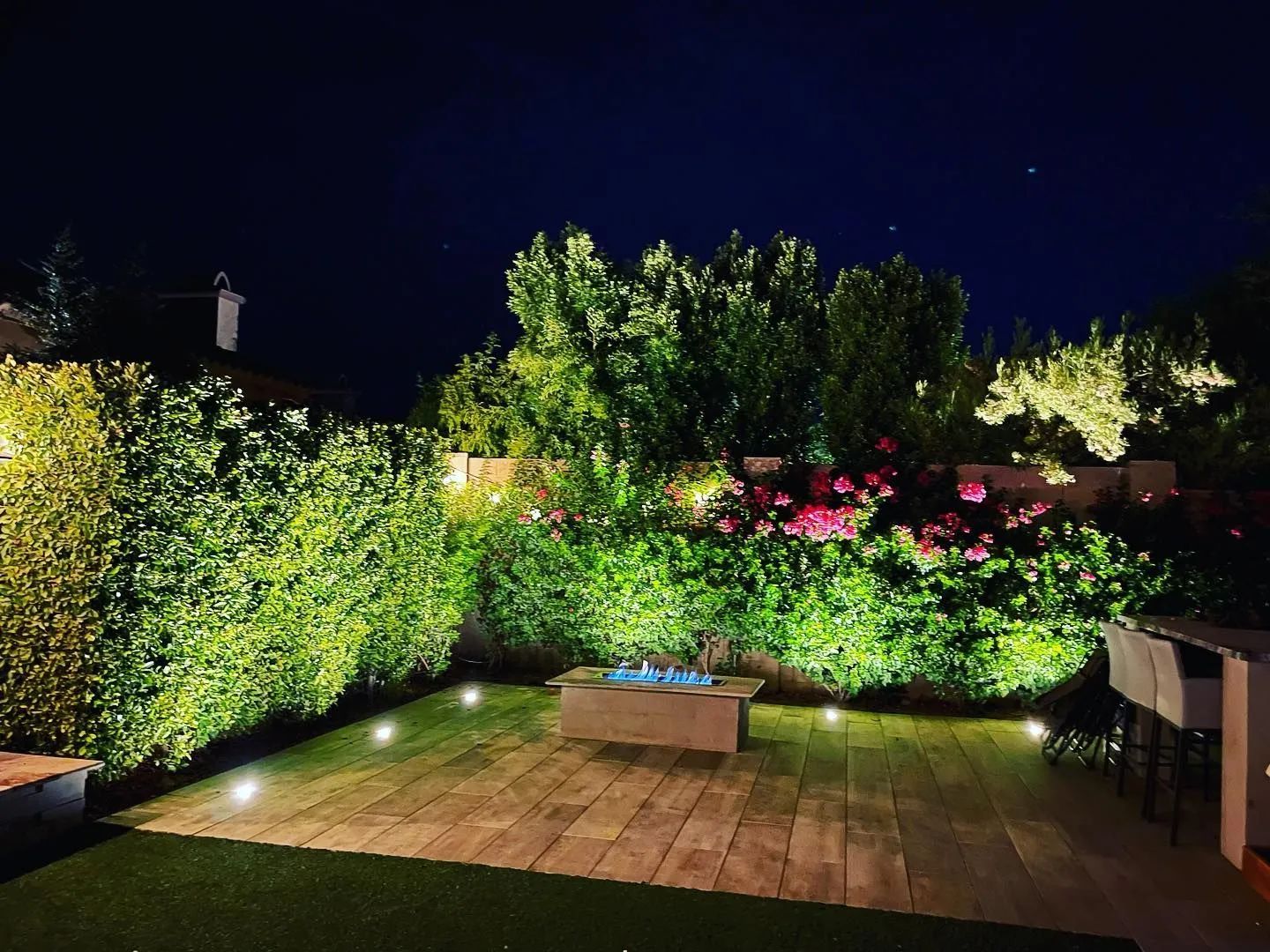
Lighting, irrigation, and plants all work together in a yard. Sprinkler heads should not spray directly on fixtures, transformers, or exposed cables, especially when monsoon humidity is already high. Ground covers and planting choices can help soak up water instead of sending it toward transformer pads or path lights. When we design or upgrade outdoor lighting in Phoenix, we always keep drainage in mind, from transformer placement to where path, wash, and step lights are set.
Shield Your System From Power Surges and Outages
Monsoon storms bring more than water and wind; they also bring electrical drama. Lightning in the area, grid fluctuations, and sudden power restoration can all send powerful spikes through the lines feeding your landscape lighting transformers and controls.
Even though your lights run on low voltage, the parts that feed them are still at risk. Strong surges can damage transformers, LED drivers, and smart timers or Wi-Fi-based controllers. Older setups without any surge protection usually show their age on the first big storm night with random failures or dead zones.
A layered approach works best. A licensed electrician can install whole-house surge protection at the main panel as the first guard against large spikes. On top of that, we like to add surge protector devices on dedicated landscape lighting circuits and near outdoor transformers. Any line-voltage components must be properly grounded, and grounding rods or connections should be intact and not corroded.
Controls and transformers also deserve a preseason check:
- Rust, loose covers, and damaged seals on transformer housings
- Transformers mounted too low, close to areas that might hold water
- Timers, photocells, and smart controls that do not always respond as they should
We recommend setting controls to default-safe modes so if power is out for a while, the system comes back in a predictable way. Keeping basic documentation of zones, transformer loads, and fixture types helps a professional troubleshoot quickly when storm damage does occur.
Seasonal Maintenance Checklist for Phoenix Homeowners
Spring is a perfect time for a monsoon-readiness routine. A simple checklist helps keep things organized.
Before storm season ramps up, we like to:
- Clean fixtures and lenses so dust, pollen, and hard water spots do not hide problems
- Walk the system at dusk to check for dim or flickering fixtures, hot spots, or new dark areas
- Inspect cable paths for exposure, rodent chewing, or erosion around driveways, walkways, and pool decks
During the season, quick checks after major storms can stop small issues from turning into bigger ones. After a heavy downpour or dust storm, walk the yard and look for fixtures that got knocked over, buried in mud or rock, or shifted so they now create glare instead of smooth light. Check for exposed wires where soil has washed away, and watch for new standing water zones or erosion channels that did not exist before. Running the system at night after a storm helps you catch failures early.
There are times when it is best to bring in a professional. Signs include electrical odors, breakers that trip again and again, or transformers that feel very hot to the touch. If your system has been in the ground for many years and has never been checked for modern waterproofing or surge protection standards, it is probably due for an expert review. An experienced, owner-operated team that lives and works with outdoor lighting in Phoenix can design upgrades that match the desert heat and monsoon stress your yard faces every year.
Transform Your Evenings With Customized Outdoor Lighting Design
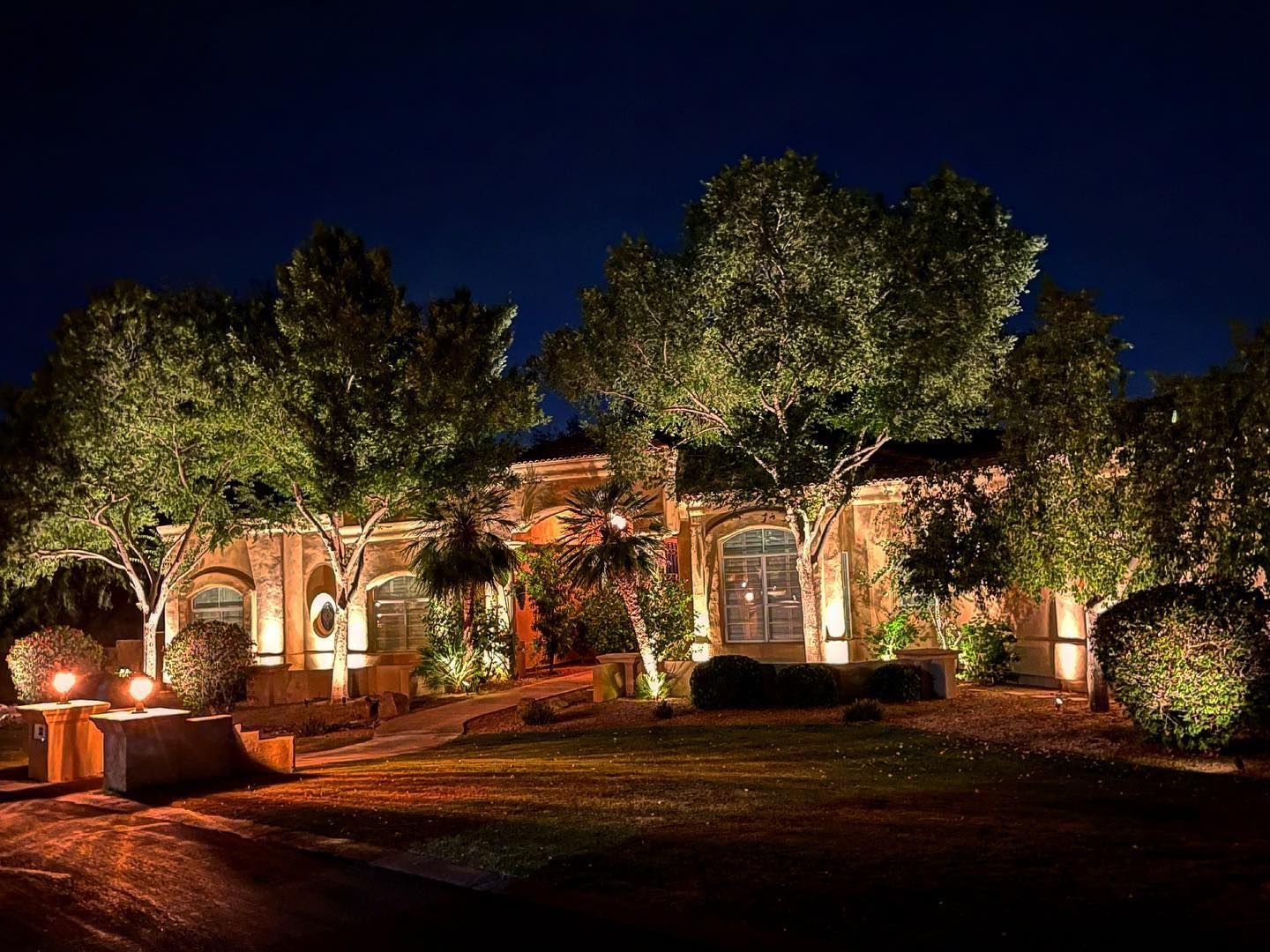
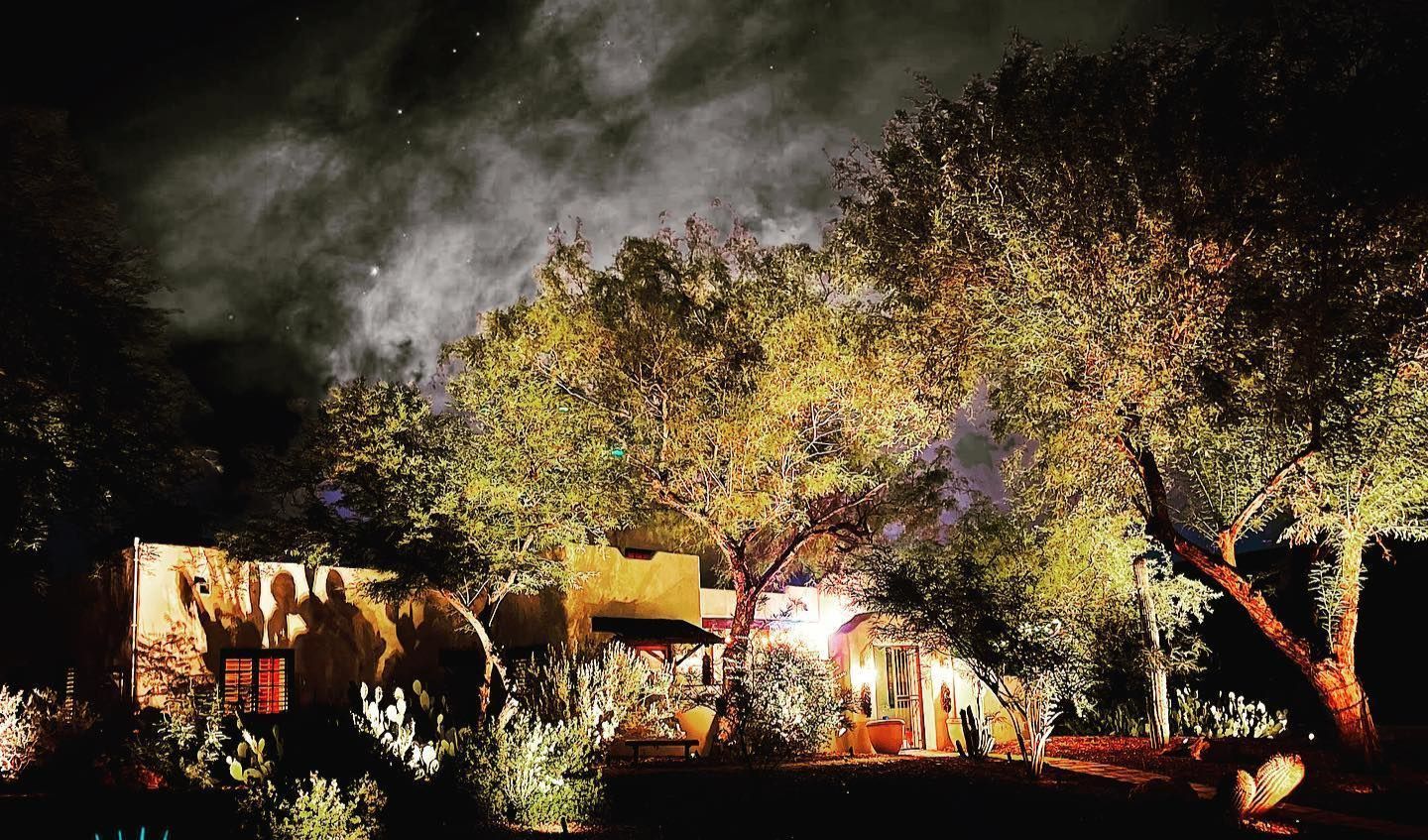
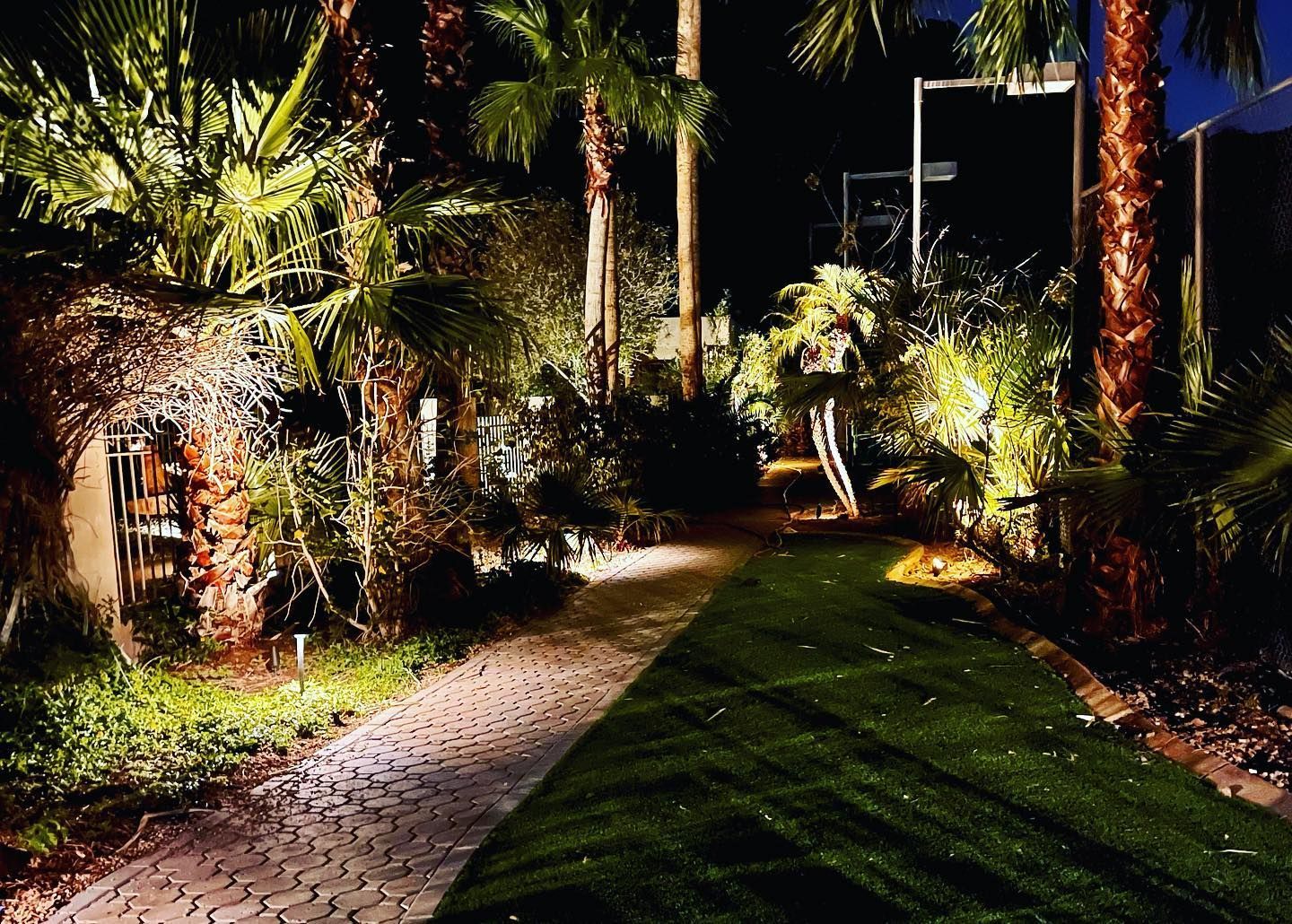
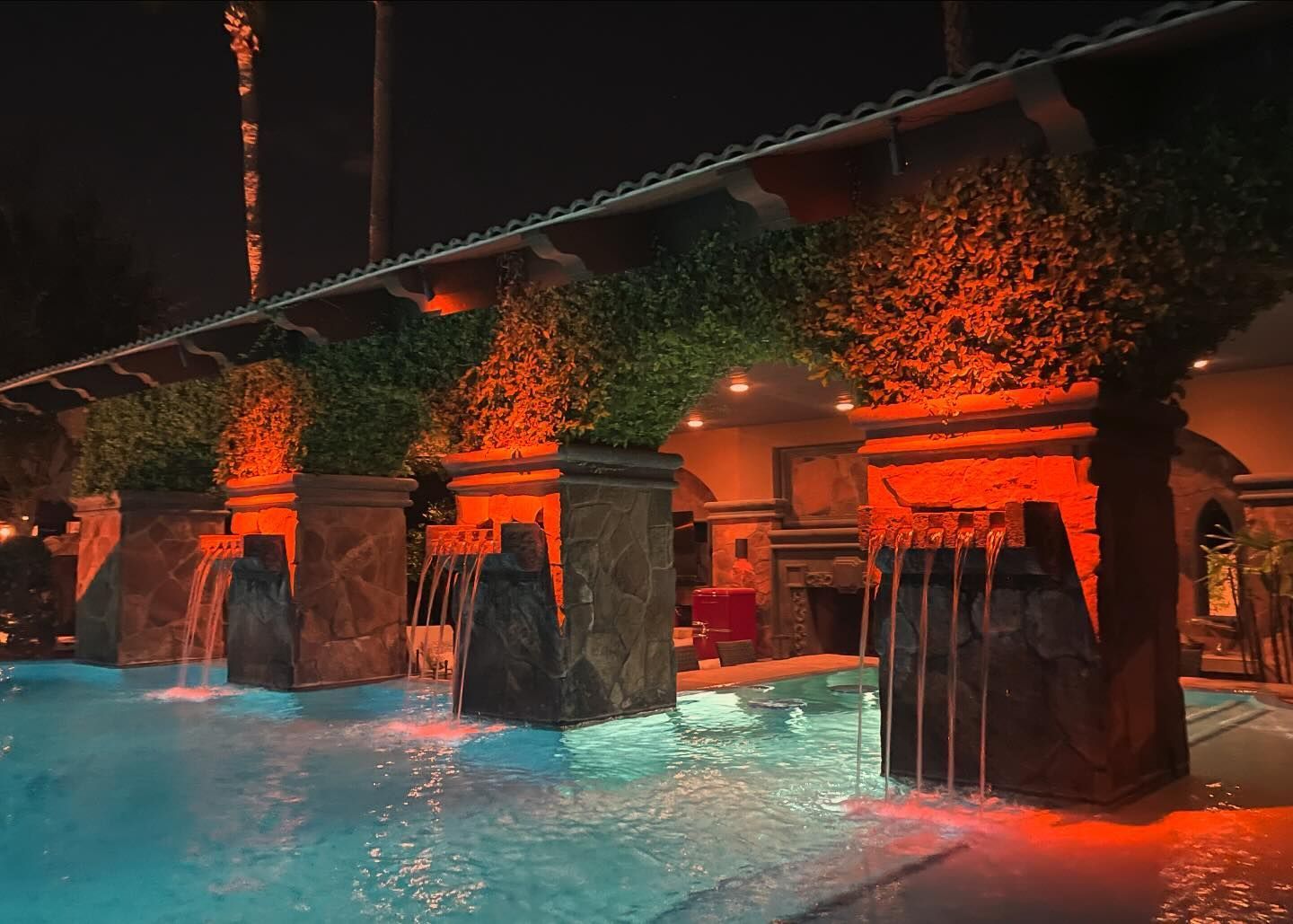
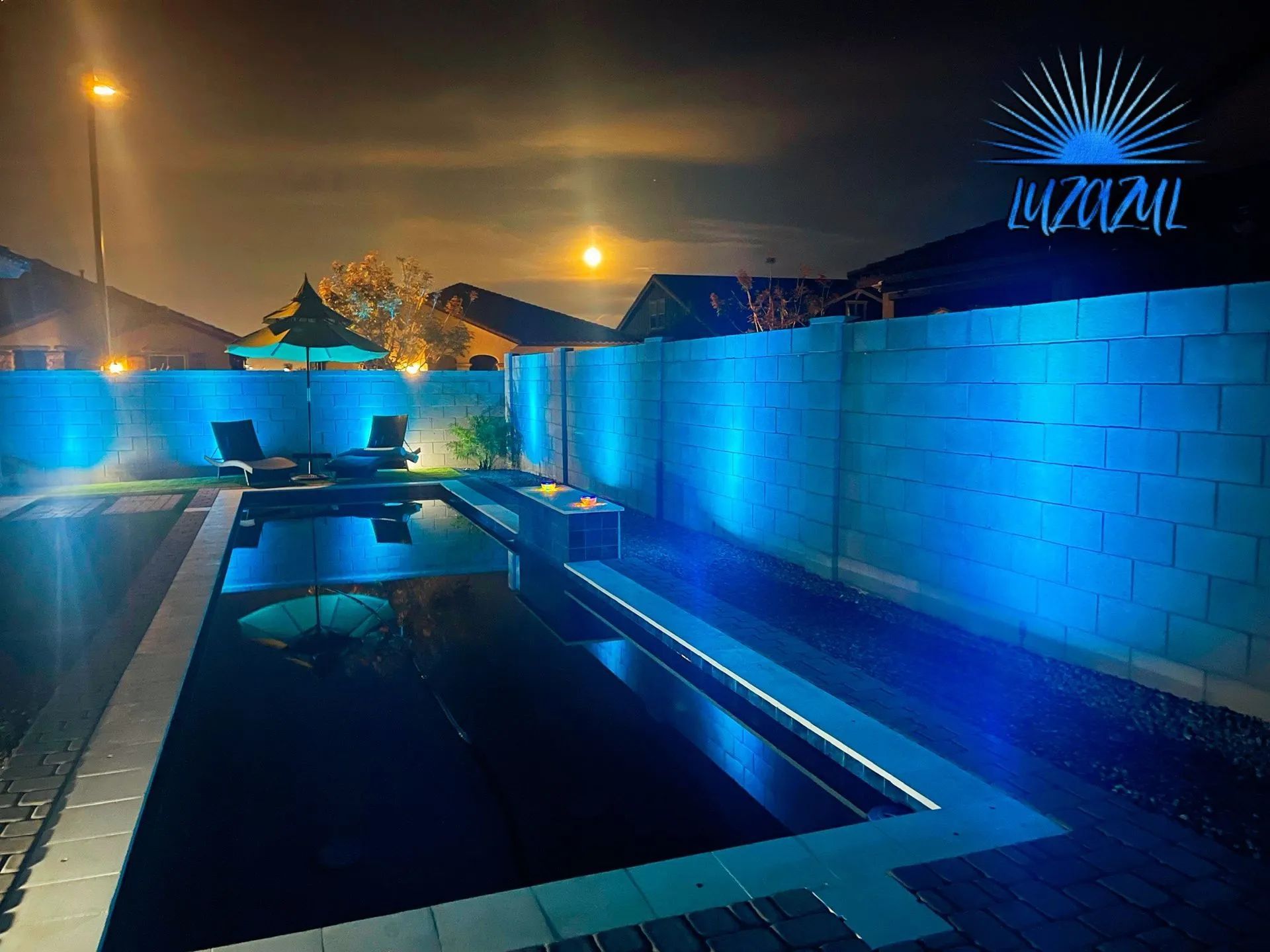
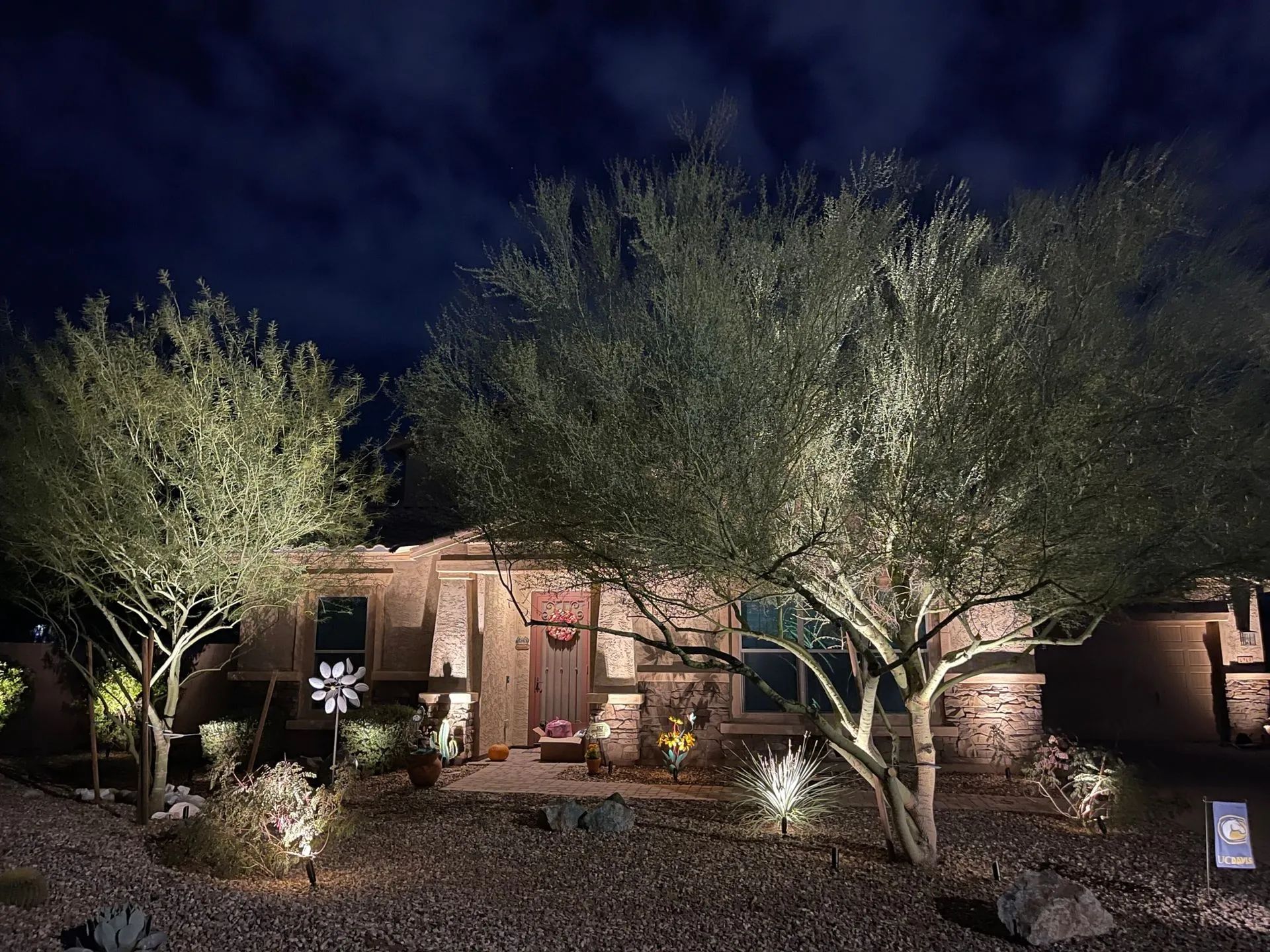
If you are ready to highlight your home’s best features and enjoy your yard long after sunset, we can design a lighting plan tailored to your property and lifestyle. Explore how our outdoor lighting in Phoenix solutions can improve safety, comfort, and curb appeal in every season. At Luzazul Lighting, we carefully select and position each fixture so your outdoor spaces feel welcoming, functional, and beautifully lit. Have questions or want to schedule a consultation? Simply contact us to get started.